
Garden Waterproofing
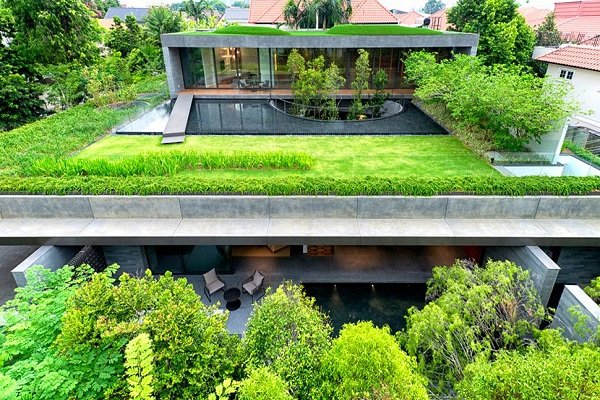
Specific requirements and conditions of the garden
Waterproofing membranes: These are thin sheets made of materials like rubber, PVC (polyvinyl chloride), or bitumen. They are applied to surfaces such as the roofs of sheds, gazebos, or outdoor structures to create a watertight seal.
Pond liners: If you have a garden pond or water feature, a pond liner is used to prevent water from seeping into the surrounding soil. These liners are typically made of flexible materials like EPDM (ethylene propylene diene monomer) or PVC.
Concrete sealing: Concrete surfaces, such as garden paths or patio areas, can be treated with waterproof sealants or coatings. These products penetrate the concrete and form a protective layer that prevents water absorption.
Raised garden beds: Building raised garden beds can help improve drainage and prevent waterlogging. By elevating the planting area above ground level and using well-draining soil, excess water can easily flow away, reducing the risk of water damage.
Drainage systems: Installing drainage systems like French drains or perforated pipes can help redirect water away from the garden. These systems collect excess water and channel it to appropriate outlets, preventing water buildup and potential damage.