
HDPE Membrane Waterproofing
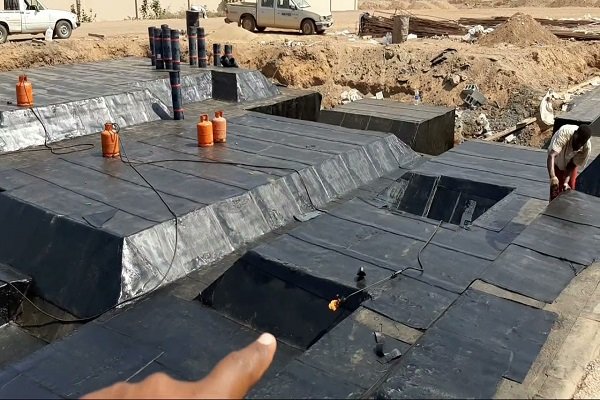
Here are some key features and advantages of EPDM membrane waterproofing:
Durability: EPDM membranes have a proven track record of durability and can withstand extreme weather conditions, including high and low temperatures, without significant degradation.
Flexibility: EPDM membranes are highly flexible and can accommodate building movements and structural settling without compromising the integrity of the waterproofing system.
Seamless Installation: EPDM membranes are available in large rolls, allowing for seamless installation on large roof areas or other surfaces. This minimizes the number of seams and potential weak points in the waterproofing system, reducing the risk of water penetration.
Resistance to UV Radiation and Ozone: EPDM is inherently resistant to UV radiation and ozone exposure, which helps prolong its service life and maintain its waterproofing properties over time.
Low Maintenance: EPDM membrane waterproofing requires minimal maintenance. Regular inspections and simple cleaning procedures are usually sufficient to keep the system in good condition.
Compatibility: EPDM membranes are compatible with various construction materials, including concrete, wood, metal, and other surfaces, making them suitable for a wide range of applications.
Environmentally Friendly: EPDM is a recyclable material, which makes it an environmentally friendly choice for waterproofing applications. Additionally, EPDM membranes can contribute to energy efficiency by providing insulation properties when used in roofing systems.